

Biblical Text: Mark 6.44-52
Today’s lectionary reading comes from Mark’s Gospel, a text that barely pauses to take a breath as it describes Jesus’s ministry. Mark doesn’t give us any birth narrative, but starts with John the Baptist proclaiming Jesus, and then wham, Jesus is here. Baptised, tempted, and beginning his ministry. Miracle follows miracle, with rarely a break in the action. In English translations you often find the word, “Immediately,” an appropriate way to connect each section.
Our story today comes directly after Jesus feeding the 5,000 (note, 5,000 plus women and children), and it’s not the first time we find Jesus and the disciples on the water. In Chapter 4 he calmed the storm, and the disciples were in awe of his power. Now, he walks on water, not an everyday occurrence to say the least, but it gives us an indication of who he is. This is one who has command over nature.
But, at least for today, I don’t want to focus on the miracle itself. Instead, let’s consider three different elements of the story that might provide a challenge.
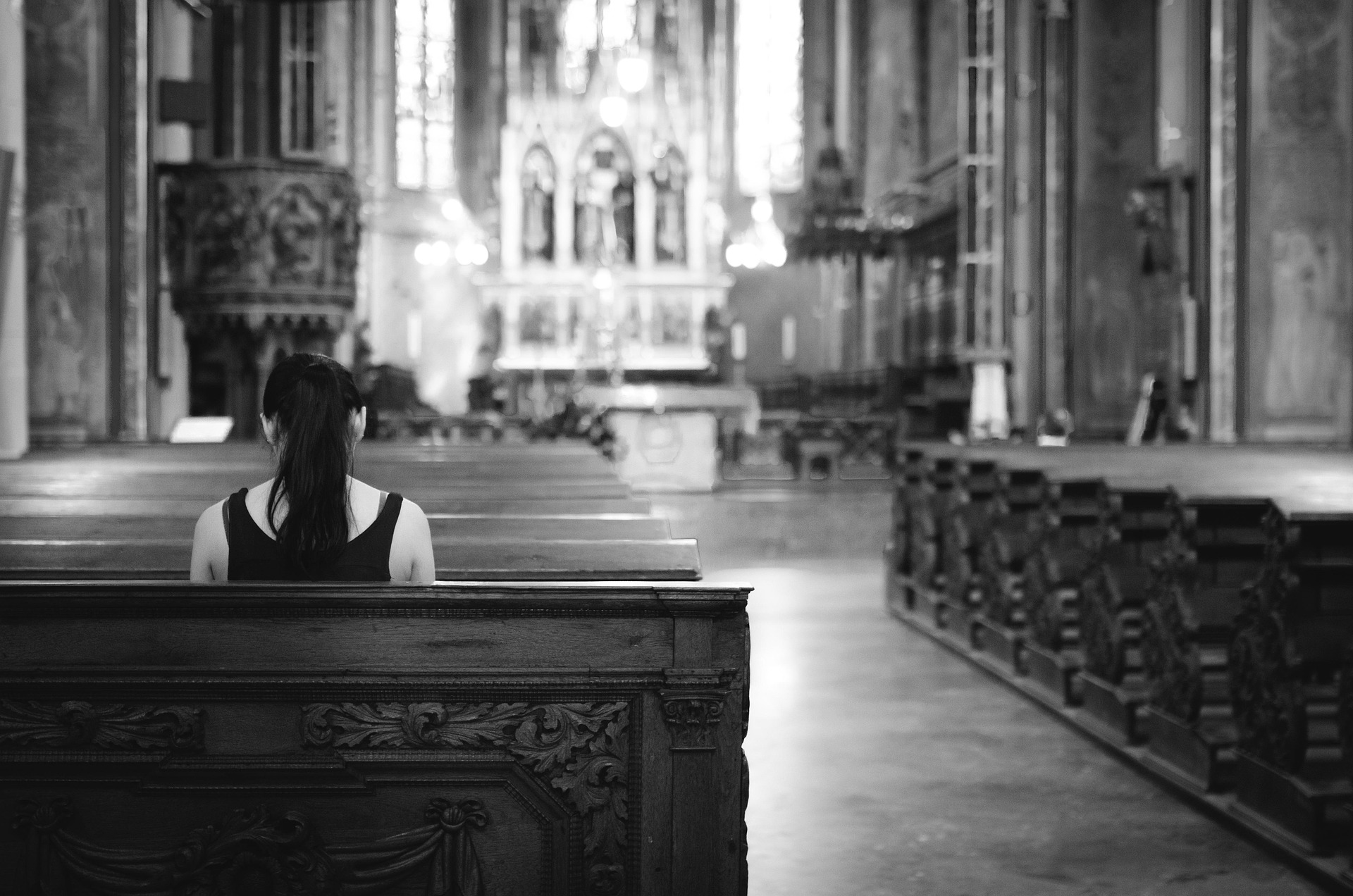
First, Jesus withdraws to pray. He moves out of the limelight to spend time with his Father. This is a familiar theme within the gospels. Jesus does a miracle, or preaches to large crowds, but instead of riding the wave of popularity, he takes time out to pray to his Father. Withdrawal, solitude, time with God, these are all integral parts of Jesus’s life. Despite the often frenetic nature of public ministry, Jesus knows the importance of time away from the public eye. Prayer should not be ignored just because things are going well.
Second, the disciples find themselves in trouble, even though they have been obedient. Jesus told them to get in the boat, and yet they still encountered problems. There is a strand of Christian thinking, broadly termed the “prosperity gospel,” which assumes that when we obey God all will be well. This is, of course, rubbish. Sometimes obedience leads to success, sometimes it makes our lives easier, but this is far from guaranteed. There is a particularly damaging conclusion we often draw from this belief – those whose life is going well, must be good people, and those whose life is off the rails, must be morally suspect. But just take a look at the disciples, not to mention Jesus himself. Obeying God is not a formula for earthly success.
Third, the disciples take a long time to learn their lesson. The final two verses of our passage seem to be Mark’s commentary, “And they were utterly astounded, for they did not understand about the loaves, but their hearts were hardened.” A few months ago, someone said something that has stuck with me: “Experience does not teach us, reflecting on experience does.” The disciples have been seeing Jesus do some phenomenal things, and yet they have not yet joined the dots. They haven’t figured out who Jesus is. I’m not pointing fingers at them, I’m far worse than they were at recognising God at work. But it does help to recognise that it’s reflecting on our experience of God and His work that helps us learn and grow.
So, as we enter this New Year, I pray that you and I can learn from this passage.
Perhaps we need to learn to withdraw. To spend time in solitude. To reconnect with God. To pray.
Perhaps we need to seek to follow where God is calling, to obey, and not worry about the result. Ultimately we are not called to be successful, but faithful.
Or perhaps we are being called to learn and grow, by reflecting on where God is at work. There are many ways to do this, but one method that has been used by many disciples over the years is the Examen. Take some time out at the end of the day, and ask God to reveal where He is at work.
May you find yourself embraced and loved by God, may you follow him wherever He calls, and may you learn and grow as He leads you. Amen.
NB: A final note, if I may be so bold. If you read one of the suggestions above and it challenged you, then do something about it. Research suggests if you don’t act in the next two-three days, you’ll end up doing nothing.